


Blog
UK Driving License: The Complete Guide to Types, Tests, Costs, Rules, and Renewal (2026)

UK Driving License: The Complete Guide to Types, Tests, Costs, Rules, and Renewal (2026)
A UK driving license is an official document that proves a person is legally allowed to drive certain vehicles on public roads in the United Kingdom. Issued by the Driver and Vehicle Licensing Agency (DVLA), it confirms a driver’s identity, vehicle categories they can operate, and whether any restrictions or penalty points apply.
Whether you’re learning to drive, renewing your licence, or moving to the UK from another country, understanding how the system works is essential. This comprehensive guide explains everything you need to know, from licence types and categories to tests, costs, renewal rules, and common mistakes drivers should avoid.
What Is a UK Driving License?
A UK driving license is a legal permit that allows a person to drive specific vehicles on public roads across the United Kingdom. It confirms that the holder has met the necessary requirements for driving, including passing the required tests and complying with road safety laws.
UK Driving License
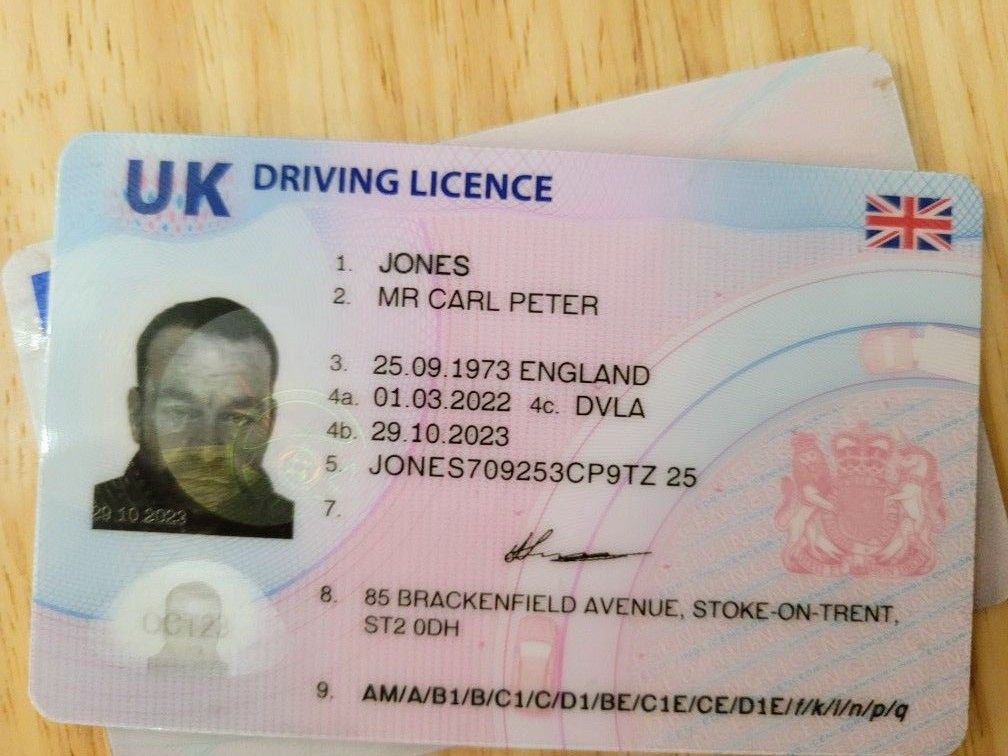
The licence contains key details such as:
-
The driver’s name and photograph
-
Date of birth and licence number
-
Address
-
Vehicle categories the driver is allowed to operate
-
Licence issue and expiry dates
-
Codes indicating restrictions or conditions
Driving without a valid licence is illegal and can lead to fines, penalty points, or disqualification from driving. Explore our indepth guide on what a UK driving license is.
The History of the UK Driving License
The UK driving licence system has evolved significantly over the past century as roads, vehicles, and safety regulations developed.
The Motor Car Act 1903
The first official driver registration requirement was introduced under the Motor Car Act 1903. This law required motorists to register their vehicles and obtain a driving permit.
At the time, there were no formal tests to demonstrate driving ability.
The First UK Driving Test (1935)
In 1935, the UK introduced its first mandatory driving test to improve road safety. Drivers now had to demonstrate their ability to control a vehicle and follow road rules before receiving a licence.
This marked the beginning of modern driver licensing standards.
Introduction of Photocard Licences
Modern photocard licences were introduced in the late 1990s to improve security and reduce fraud. Today, the licence includes a photograph and digital records maintained by the DVLA.
Future developments may include digital licences stored on mobile devices, allowing drivers to access their licence information electronically. Read more on the complete history of UK driving licence.
Types of UK Driving Licenses
There are several types of licences depending on a driver’s experience level and the vehicles they wish to drive.
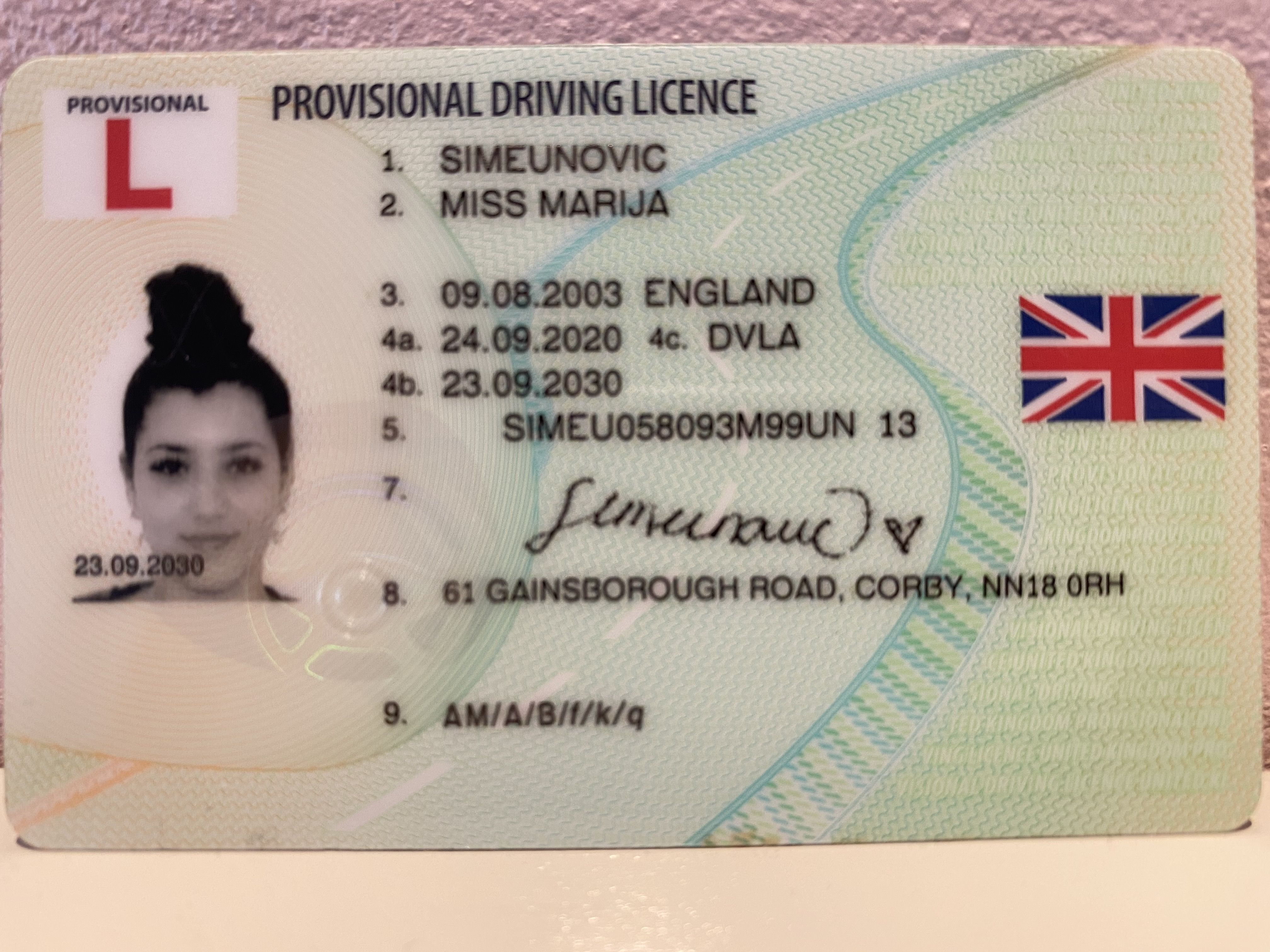
Provisional Driving Licence
A provisional licence is the first step for new drivers.
It allows individuals to learn how to drive under supervision before taking the driving test.
Key rules include:
UK Driving License
-
Minimum age: 17 (or 16 for some disability benefits)
-
Must display L plates on the vehicle
-
Must be supervised by a qualified driver
-
Cannot drive on motorways unless accompanied by an approved instructor
Learner drivers must hold a provisional licence before taking driving lessons or tests. Read more about UK Professional Driving License Requirements 2026
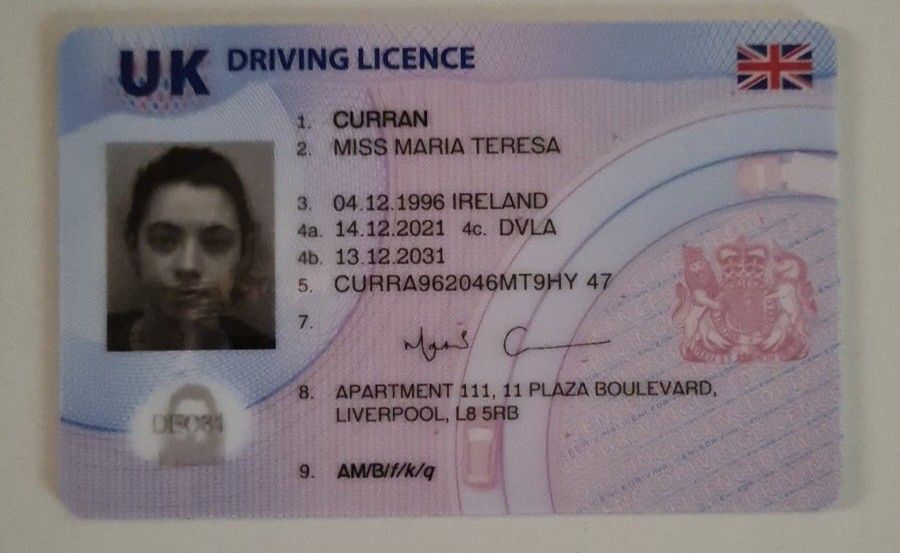
Full UK Driving License
UK Driving License
A full licence is issued once a driver passes the theory and practical driving tests.
With a full licence, drivers can:
-
Drive independently
-
Drive vehicles in permitted categories
-
Supervise learner drivers (after holding a licence for at least three years)
Specialised Licences
Some vehicles require additional licences or endorsements.
Examples include:
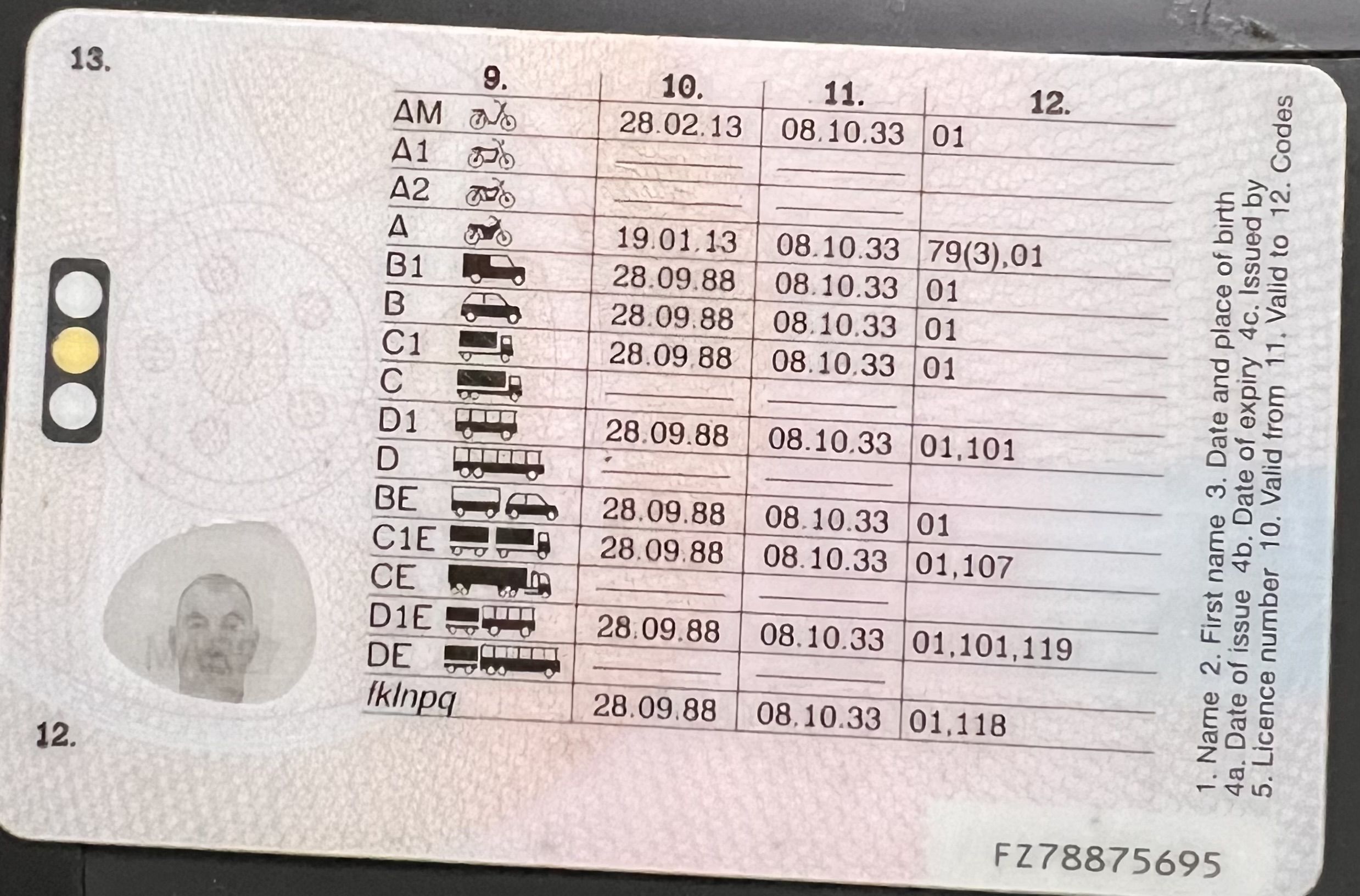
UK Driving License
-
Motorcycle licences
-
Bus licences
-
Heavy goods vehicle (HGV) licences
-
Minibus licences
These licences may require additional training, tests, and medical assessments. Explore our more in depth guide to read about the types of UK driving license that exist in 2026.
UK Driving License Categories Explained
Each licence includes specific vehicle categories that indicate what types of vehicles the holder can drive.
Understanding these categories is essential.
Category AM
Allows drivers to operate mopeds and small motorcycles with limited speed.
Category A1, A2, and A
These categories apply to motorcycles:
-
A1: Small motorcycles
-
A2: Medium motorcycles
-
A: Large motorcycles without power restrictions
Category B
Category B is the most common licence type.
It allows drivers to operate:
-
Cars weighing up to 3,500 kg
-
Vehicles with up to 8 passenger seats
Most drivers in the UK hold this licence.
Category C and C1
These categories apply to medium and heavy vehicles such as lorries.
Additional training and medical tests are required.
Category D
This licence category allows drivers to operate buses and large passenger vehicles.
UK Driving License
How to Get a UK Driving License (Step-by-Step)
Getting a driving licence in the UK involves several stages.
Step 1: Apply for a Provisional Licence
The first step is applying for a provisional licence through the DVLA.
Applicants must provide:
-
Proof of identity
-
Address details
-
National Insurance number (if available)
-
A passport-style photo
Once approved, the provisional licence allows learners to begin driving lessons.
Step 2: Learn to Drive
Learners can practice driving with:
-
A professional instructor
-
A qualified supervising driver
The supervising driver must:
-
Be at least 21 years old
-
Hold a full driving licence for at least three years
-
Be qualified to drive the same type of vehicle
Step 3: Pass the Theory Test
Before taking the practical driving test, learners must pass the theory test.
The test includes:
-
Multiple-choice questions about road rules
-
Hazard perception videos
The theory test is valid for two years.
Step 4: Pass the Practical Driving Test
The practical test evaluates real driving ability.
The exam typically includes:
-
Vehicle safety questions
-
General driving ability
-
Manoeuvres such as reversing or parking
-
Independent driving
Passing this test allows learners to obtain a full driving licence.
Step 5: Receive Your Full Licence
After passing the practical test, the examiner sends results to the DVLA.
Drivers usually receive their photocard licence by mail within a few weeks.
Cost of Getting a UK Driving License
Learning to drive in the UK can be expensive.
Costs typically include:
Provisional Licence
Application fee for the provisional licence.
Theory Test
Fee for taking the driving theory test.
Practical Test
Fee for the driving exam.
Driving Lessons
Driving lessons are usually the largest cost.
The average learner may require dozens of lessons, and the total cost of learning to drive in the UK can exceed £1,500 depending on lessons and test attempts.
If you need help with passing your theory and paractical tests without needing to take the exams yourself, check out our UK Driving License service page for more informstion and clearification on the process and the tiime it takes.
UK Driving Test Pass Rates and Difficulty
Passing the driving test can be challenging.
Common reasons for failing include:
-
Poor observation at junctions
-
Incorrect lane positioning
-
Not checking mirrors
-
Lack of control during manoeuvres
Tips for passing include:
-
Practicing regularly
-
Learning the Highway Code
-
Taking mock driving tests
Proper preparation significantly improves success rates.
Rules for Learner Drivers in the UK
Learner drivers must follow strict rules while driving.
Important rules include:
-
Display L plates at the front and rear of the vehicle
-
Be supervised by a qualified driver
-
Have appropriate insurance
-
Follow learner driver restrictions
Breaking these rules can result in fines or penalty points.
UK Driving License Renewal Rules
Driving licences must be renewed periodically.
Standard Renewal
Drivers aged 17–69 must renew their photocard licence every 10 years.
This ensures the photograph and details remain up to date.
Renewal at Age 70
At age 70, drivers must renew their licence and continue renewing it every three years.
Renewal requires a health declaration confirming the driver is fit to drive.
There is no automatic upper age limit for driving, but medical conditions may affect eligibility.
How to Replace a Lost or Stolen UK Driving Licence
If a licence is lost or stolen, drivers should replace it as soon as possible.
Steps include:
-
Apply online through the DVLA website
-
Provide identity verification
-
Pay the replacement fee
-
Receive a new licence by post
Driving without a valid licence may invalidate insurance.
Converting a Foreign Driving Licence to a UK Licence
Many international drivers move to the UK each year.
In some cases, foreign licences can be exchanged for a UK licence without taking another driving test.
The process depends on:
-
The country where the licence was issued
-
How long the driver has lived in the UK
-
The vehicle category
Drivers from certain countries can exchange their licence directly, while others must pass UK driving tests.
Penalty Points and Driving Licence Endorsements
Driving offences can result in penalty points added to a licence.
Common offences include:
-
Speeding
-
Dangerous driving
-
Using a mobile phone while driving
-
Driving without insurance
Accumulating too many points may lead to a driving ban.
New drivers face stricter rules, if they accumulate too many points within the first two years, they may lose their licence.
Common Driving Licence Problems (And Solutions)
Many drivers encounter issues with their licence.
Examples include:
Lost Licence
Apply for a replacement immediately.
Expired Licence
Renew the licence before continuing to drive.
Incorrect Details
Update the DVLA if your address or name changes.
Medical Conditions
Drivers must inform the DVLA about medical conditions that may affect their ability to drive safely.
Driving Licence Fraud and Fake Licences
Driving licence fraud is a growing problem.
Common scams include:
-
Fake licence websites
-
Fraudulent driving test bookings
-
Counterfeit licence documents
Using a fake driving licence is illegal and may lead to criminal charges.
Always apply through official channels such as the DVLA.
Future of the UK Driving License
Technology is transforming driver licensing.
Future changes may include:
-
Digital driving licences stored on smartphones
-
Faster online licence updates
-
Integration with digital identity systems
Digital licences may allow drivers to view penalty points and vehicle categories instantly.
These innovations aim to simplify administration and improve security. Here is what the DVLA has to say about digital DL.
FAQs: UK Driving License
How long does it take to get a UK driving licence?
What happens if you drive without a licence?
Can foreigners drive in the UK?
How many driving lessons are needed?
Do you have to retake the test at age 70?
Conclusion
A UK driving license is essential for anyone who wants to drive legally in the United Kingdom. From obtaining a provisional licence to passing the driving test and renewing your licence later in life, the process ensures drivers have the knowledge and skills required to drive safely.
Understanding licence categories, rules, and renewal requirements can help drivers stay compliant with the law while enjoying the freedom of the road.
Whether you’re learning to drive, renewing your licence, or exploring your driving options in the UK, following official guidelines and maintaining safe driving habits will help you stay confident and legally protected behind the wheel. If you need help with passing your theory and paractical tests without needing to take the exams yourself, check out our UK Driving License service page for more informstion and clearification on the process and the tiime it takes.