


Blog
Types of UK Driving License: Complete Guide to Every Licence Category in the UK

Types of UK Driving License: Complete Guide to Every Licence Category in the UK
Understanding the UK Driving Licence System
The UK driving licence system is designed to ensure drivers are qualified for the specific vehicles they operate. Instead of one blanket licence covering every vehicle type, the Driver and Vehicle Licensing Agency (DVLA) uses category-based entitlements. Each category comes with different age limits, training requirements, medical standards, and testing procedures.
This system helps improve road safety by ensuring drivers have the correct skills before operating larger, heavier, or more dangerous vehicles. A person who can safely drive a small hatchback may not automatically have the skills needed to control a 44-tonne articulated lorry or a passenger bus carrying dozens of people.
UK licences also include coded restrictions and permissions. For example, your licence may allow you to drive automatic vehicles only, require corrective lenses while driving, or permit towing trailers under certain conditions. Understanding these details is crucial because driving outside your licence entitlement can invalidate insurance and lead to fines, penalty points, or prosecution.
The UK licensing framework is also closely connected to European licence standards, although Brexit has changed some administrative arrangements. Many licence categories still follow EU classification systems, which is why some category names may seem unusual at first glance. Explore our complete in depth guide on UK Driving license to know more.
What Is a UK Driving Licence?
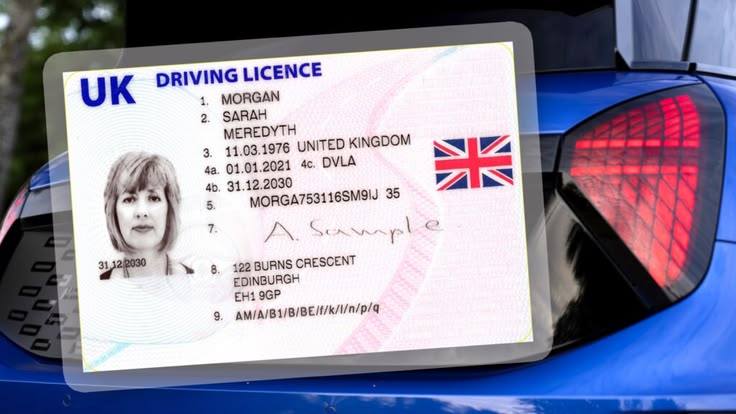
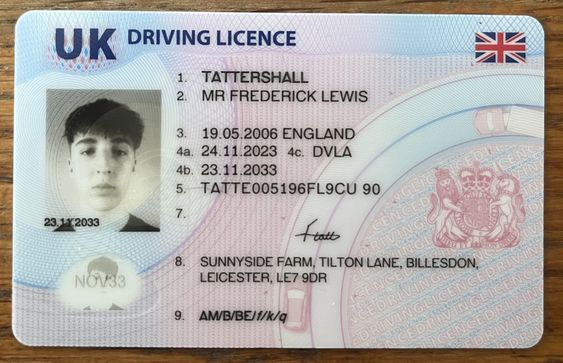
A UK driving licence is an official government-issued document that proves a person has legal permission to operate certain vehicles on public roads. It acts as both an identity document and evidence of driving qualifications.
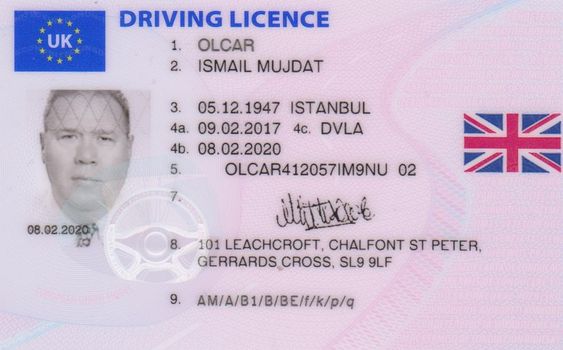
Modern UK licences are photocard licences containing:
Types of UK Driving License
| Feature | Purpose |
|---|---|
| Driver photograph | Identification |
| Licence number | DVLA records |
| Vehicle categories | What you can drive |
| Expiry dates | Licence validity |
| Restriction codes | Driving limitations |
The licence is divided into sections showing the vehicle categories a driver is entitled to use. These categories are represented by letters and numbers such as B, C1, D, or AM.
Drivers usually begin with a provisional licence before passing practical and theory tests to gain full entitlement. Depending on career goals or personal needs, some drivers later add additional categories through specialist training and testing.
One of the biggest misunderstandings involves assuming older licences automatically include modern entitlements. Drivers who passed their tests before 1997 often have broader permissions than younger drivers, especially regarding trailers and minibuses. Read more on what a full UK driving licence.
Main Types of UK Driving License
The UK has several core licence types that apply to most road users. These form the foundation of the licensing system.
Provisional Driving Licence
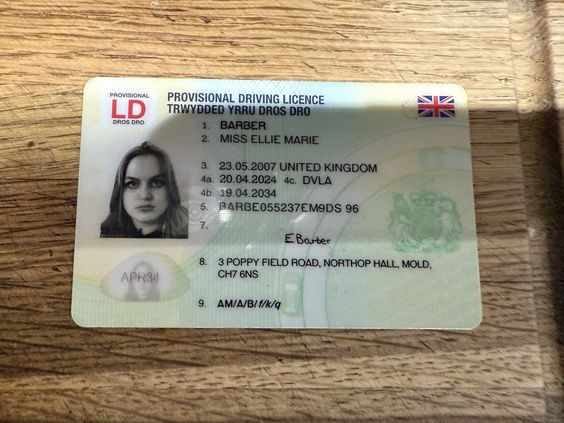
A provisional licence is the first step toward becoming a legal driver in the UK. It allows learners to practice driving under specific conditions before passing their tests.
Types of UK Driving License
Drivers can apply for a provisional licence from age:
- 15 years and 9 months for mopeds
- 17 years for cars
- 16 years if receiving certain disability benefits
With a provisional licence, learners must:
- Display L plates
- Be supervised by a qualified driver
- Have valid insurance
- Follow motorway restrictions unless with an approved instructor
The provisional licence is often underestimated. While it may seem temporary, it is a legally important document that opens the door to professional instruction, theory tests, and practical driving assessments.
Many employers also require applicants to hold at least a provisional licence before considering them for driving-based roles.
Full UK Driving Licence
A full licence is awarded after successfully passing both theory and practical driving tests. This licence grants unrestricted driving rights within the vehicle category tested.
A full licence demonstrates that a driver has:
- Road safety awareness
- Hazard perception skills
- Vehicle control competence
- Understanding of UK traffic laws
New drivers remain subject to stricter rules during their first two years. Accumulating six penalty points during this probationary period can result in automatic licence revocation.
Full licences can also include additional categories earned later through further testing. If you need help with passing your theory and paractical tests without needing to take the exams yourself, check out our UK Driving License service page for more informstion and clearification on the process and the time it takes.
Automatic Driving Licence
An automatic licence allows drivers to operate automatic vehicles only. This type of licence has become increasingly popular due to the rise of electric vehicles and easier driving experiences.
Advantages include:
- Simpler learning process
- Less stress in traffic
- Faster learning for some students
Disadvantages include:
- Restriction from driving manual vehicles
- Reduced flexibility for car rentals or work vehicles
- Potentially higher insurance costs in some cases
As electric vehicles become more dominant, automatic licences are expected to become far more common in the future.
Manual Driving Licence
A manual licence allows drivers to operate both manual and automatic vehicles. Because manual driving requires gear-changing skills, passing a manual test demonstrates broader vehicle control competency.
This licence remains the preferred option for many UK drivers because it provides maximum flexibility. Employers also often favour applicants with manual entitlements, particularly in logistics, delivery, and fleet-driving sectors.
Learning manual driving can initially feel challenging. Coordinating clutch control, gear changes, and road awareness resembles learning a musical instrument, awkward at first but eventually becoming second nature.
Motorcycle Licence Categories
Motorcycle licences in the UK are divided into progressive stages based on engine size and rider experience.
AM Licence
The AM category is the entry-level motorcycle licence. It allows riders to operate:
- Mopeds
- Two-wheel vehicles up to 50cc
- Maximum speed of 28mph
This licence can usually be obtained at age 16 after completing Compulsory Basic Training (CBT).
For many teenagers, the AM licence represents independence and mobility long before car eligibility begins.
A1 Licence
The A1 licence permits riders to operate motorcycles up to:
- 125cc engine size
- 11kW power output
Minimum age is 17.
A1 riders can carry passengers and use motorways after passing both theory and practical tests.
This category is particularly popular among urban commuters because smaller motorcycles offer fuel efficiency and easier parking in congested cities.
A2 Licence
The A2 category bridges the gap between beginner motorcycles and unrestricted bikes.
It allows riders to operate motorcycles with:
- Maximum 35kW power
- Power-to-weight restrictions
Minimum age is 19.
Many riders spend years using A2 bikes because they offer substantial performance while remaining manageable and economical.
Category A Licence
The unrestricted Category A licence allows riders to operate motorcycles of any size or power output.
Minimum age requirements vary:
- 24 via direct access
- 21 through progressive access
For motorcycle enthusiasts, this licence represents complete freedom. Riders gain access to touring bikes, sports motorcycles, and high-performance machines capable of long-distance travel across Europe.
Car and Light Vehicle Licence Categories
Types of UK Driving License
Category B Licence
The Category B licence is the standard car licence most UK drivers hold.
It allows operation of:
- Vehicles up to 3,500kg
- Up to 8 passenger seats
- Small trailers under specific limits
This category covers most family cars, SUVs, and vans.
The majority of UK drivers never require categories beyond Category B because it already covers everyday transportation needs.
Category BE Licence
Category BE allows drivers to tow larger trailers exceeding standard Category B limits.
This licence is commonly required for:
- Horse trailers
- Large caravans
- Commercial towing
- Equipment transportation
Towing introduces additional challenges such as braking distances, reversing control, and trailer sway management. Extra training significantly improves safety.
Category B1 Licence
The B1 category covers light four-wheeled vehicles and quad bikes.
Although less commonly discussed today, this category still appears on many licences.
Commercial and Heavy Vehicle Licence Types
Category C1
Category C1 allows drivers to operate medium-sized vehicles between 3,500kg and 7,500kg.
Common examples include:
- Ambulances
- Delivery lorries
- Small commercial trucks
Many healthcare and logistics careers require this entitlement.
Category C
Category C covers large rigid vehicles over 7,500kg.
This category is essential for professional HGV drivers working in freight and transportation industries.
Training includes:
- Advanced vehicle control
- Tachograph rules
- Driver CPC certification
- Load security procedures
The UK logistics sector has experienced significant driver shortages in recent years, making Category C licences highly valuable professionally.
Category CE
Category CE permits operation of articulated lorries with detachable trailers.
This is the highest standard HGV licence and enables drivers to handle the largest commercial freight vehicles on UK roads.
These vehicles require exceptional awareness because turning, reversing, and braking dynamics differ dramatically from normal cars.
Category D1
Category D1 allows drivers to operate minibuses with:
- Up to 16 passenger seats
- Maximum vehicle length restrictions
This category is commonly used by:
- Schools
- Charities
- Community transport services
Category D
Category D is the full bus licence category.
Drivers can operate:
- Public buses
- Coaches
- Large passenger vehicles
Bus drivers must meet strict medical standards because they are responsible for large numbers of passengers daily.
Special UK Driving Licence Categories
Some less common licence categories include:
| Category | Vehicle Type |
|---|---|
| F | Agricultural tractors |
| G | Road rollers |
| H | Tracked vehicles |
| K | Pedestrian-controlled vehicles |
| P | Mopeds with maximum speed restrictions |
These specialist categories are mostly relevant to agriculture, construction, or industrial operations.
How to Check Your Licence Categories
Many drivers never check their licence properly. You can view your entitlements by:
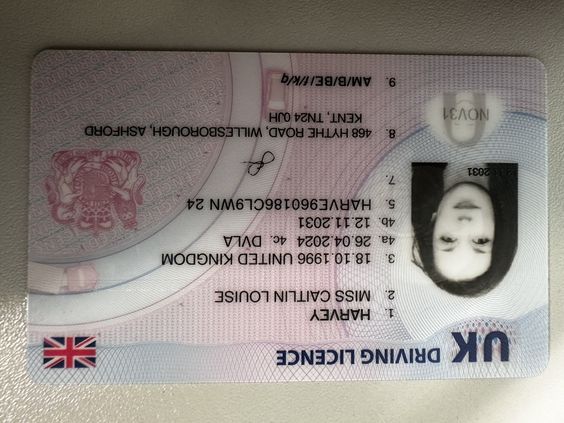
- Looking at the back of your photocard
- Checking category letters
- Reviewing expiry dates
- Using DVLA online services
The back of the licence contains a table listing every category alongside start and expiry dates.
Understanding these details prevents accidental illegal driving.
Automatic vs Manual Licence Differences
One of the most searched topics regarding types of driving license uk involves automatic versus manual licences.
| Feature | Automatic Licence | Manual Licence |
|---|---|---|
| Drive manual cars | No | Yes |
| Drive automatic cars | Yes | Yes |
| Easier learning curve | Yes | No |
| Greater flexibility | No | Yes |
| EV compatibility | Excellent | Excellent |
Automatic-only licences are becoming increasingly practical due to the rapid growth of electric vehicles, which do not require manual transmissions.
Driving Licence Codes and Restrictions
UK licences also include numerical codes indicating restrictions or requirements.
Examples include:
| Code | Meaning |
|---|---|
| 01 | Eyesight correction required |
| 78 | Automatic vehicles only |
| 115 | Organ donor |
| 122 | Valid on successful CBT only |
Ignoring licence codes can create legal complications even if the correct category is held.
How to Apply for a UK Driving Licence
Applying for a licence involves several steps.
Step 1: Apply for Provisional Licence
Applications can be completed:
- Online
- By post
- Through DVLA services
Step 2: Learn to Drive
Learners usually combine:
- Professional lessons
- Private practice
- Theory preparation
Step 3: Pass Theory Test
The theory test includes:
- Multiple-choice questions
- Hazard perception videos
Step 4: Pass Practical Test
The practical test assesses:
- Vehicle control
- Road awareness
- Independent driving
- Manoeuvres
After passing, drivers receive full entitlement.
Upgrading Your Driving Licence
Many drivers later expand their licence categories for career opportunities or lifestyle needs.
Popular upgrades include:
- Car to motorcycle
- Car to HGV
- Car to minibus
- Automatic to manual
Professional upgrades often require:
- Medical examinations
- Driver CPC certification
- Additional theory testing
Commercial driving can significantly increase earning potential, particularly in logistics and passenger transport sectors. Read more about UK Driving licence catergories.
Common Mistakes Drivers Make
Drivers frequently misunderstand licence entitlements. Common mistakes include:
- Assuming all trailers are legal under Category B
- Driving manual cars with automatic-only licences
- Forgetting licence renewals
- Ignoring medical declaration requirements
- Misunderstanding grandfather rights
These mistakes can result in:
- Insurance invalidation
- Penalty points
- Vehicle seizure
- Criminal charges
Checking DVLA guidance regularly helps drivers remain compliant.
FAQs: Types of UK Driving License
What are the main types of UK driving license?
What is Category B on a UK driving licence?
Can I drive a manual car with an automatic licence?
What is the difference between C1 and C licences?
Do I need a special licence to tow a trailer?
What age can you get a motorcycle licence in the UK?
How do I check what vehicles I can drive?
Conclusion On The Types of UK Driving License
Types of UK Driving License
Understanding the types of UK driving license is essential for staying legal, safe, and properly insured on British roads. The UK licensing system may initially appear complex, but each category serves a specific purpose designed to improve road safety and driver competence.
From provisional licences and standard Category B car entitlements to motorcycle, HGV, and passenger transport licences, every category reflects different levels of skill and responsibility. Knowing exactly what your licence allows can prevent legal issues, improve employment opportunities, and help you confidently choose the right training path for future upgrades.
If you are planning to start learning, expand your driving qualifications, or move into commercial driving, reviewing your current licence categories is the perfect first step.