


Blog
History of the UK Driving Licence: From Early Motoring Laws to Modern Digital Systems


History of the UK Driving Licence: From Early Motoring Laws to Modern Digital Systems
The history of the UK driving licence reflects the evolution of road safety, technology, and society itself. From a time when drivers needed no formal permission to operate a vehicle to today’s structured and highly regulated system, the UK driving licence has undergone significant transformation.
Understanding how driving licences developed in the UK provides valuable insight into modern driving laws, testing systems, and road safety standards. This comprehensive guide explores the origins, key milestones, legal reforms, and future of the UK driving licence system. Read more UK driving licence the complete guide for 2026.
Driving Before Licences: Life Before Regulation
Before the early 20th century, there were no driving licences in the UK. The number of motor vehicles on the road was extremely low, and most transportation relied on horse-drawn carriages.
As motor cars became more common in the late 1800s, concerns began to grow about:
-
Road safety
-
Driver competence
-
Speed and reckless driving
At this stage, there were no formal requirements to prove driving ability. Anyone could operate a vehicle without training, testing, or certification.
1903: The Birth of the UK Driving Licence
History of the UK Driving Licence
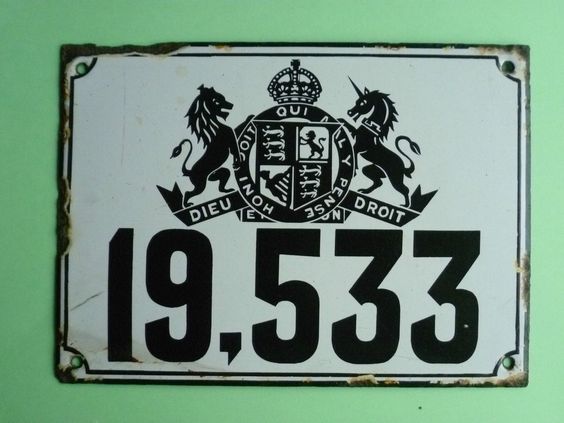
The introduction of the Motor Car Act 1903 marked a turning point in British motoring history. This law required drivers to:
-
Register their vehicles
-
Display number plates
-
Hold a driving licence
However, the early driving licence system was very different from today’s standards.
Key Features of Early Licences
-
No driving test was required
-
Licences were issued by local authorities
-
Anyone over the minimum age could apply
-
No proof of driving ability was needed
In essence, the licence was more of a registration document than proof of competence.
1935: The Introduction of the Driving Test
By the 1930s, road accidents had become a serious concern. The government recognized that simply issuing licences without testing drivers was insufficient.
In response, the UK introduced the first mandatory driving test in 1935.
Why the Driving Test Was Introduced
-
Rising number of road accidents
-
Increase in vehicle ownership
-
Need to ensure driver competence
Early Driving Tests
History of the UK Driving Licence
The original driving test was basic compared to modern standards. It focused on:
-
Basic vehicle control
-
Road awareness
-
Simple manoeuvres
Despite its simplicity, this reform marked the beginning of modern driver qualification standards.
Post-War Expansion and Road Safety Awareness
After World War II, car ownership in the UK increased rapidly. This led to:
-
More traffic on roads
-
Increased accident rates
-
Greater demand for structured driver training
During this period, the government began strengthening road safety laws and licensing requirements.
Key Developments
-
Expansion of driving test standards
-
Increased regulation of driving instructors
-
Growing emphasis on road safety education
Driving licences became more than just legal documents, they became part of a broader public safety strategy.
1960s–1980s: Major Legal Reforms
The mid-to-late 20th century saw significant changes in UK driving laws.
Introduction of the Penalty Points System
The penalty points system was introduced to:
-
Discourage dangerous driving
-
Track repeat offenders
-
Enforce accountability
Drivers could now lose their licence if they accumulated too many points.
Seatbelt Laws and Safety Measures
The introduction of seatbelt laws and stricter traffic regulations further reinforced the importance of responsible driving.
Speed Limits and Enforcement
Speed limits became more standardized, and enforcement improved through:
-
Police monitoring
-
Speed detection technology
These reforms strengthened the role of the driving licence as a tool for regulating driver behavior.
The Evolution of the Driving Test
Over time, the UK driving test became more sophisticated.
Theory Test Introduction
The theory test was introduced to ensure drivers understood:
-
Road signs
-
Traffic laws
-
Safe driving practices
Hazard Perception Test
Later, the hazard perception test was added to assess a driver’s ability to:
-
Identify potential dangers
-
React appropriately to hazards
These additions transformed the driving test into a comprehensive assessment of both knowledge and practical skills.
1998: Introduction of the Photocard Driving Licence
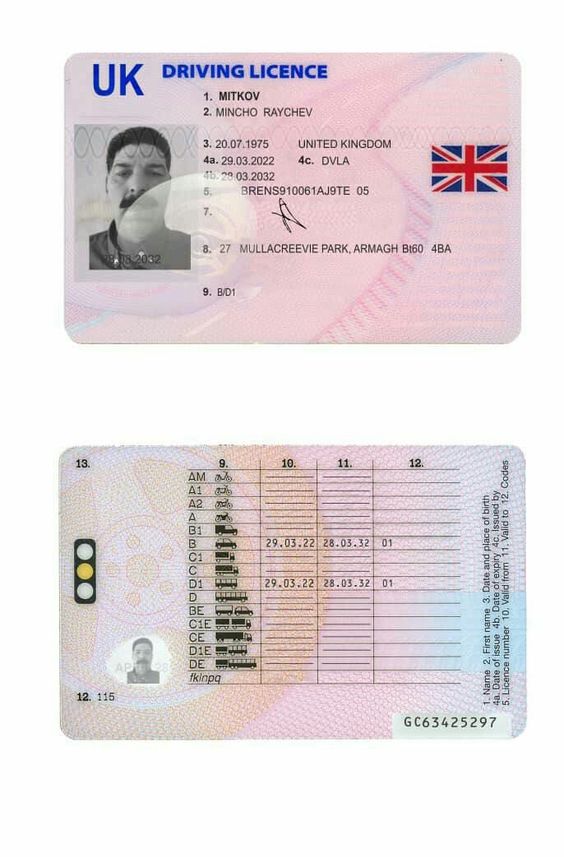
One of the most significant changes in the history of the UK driving licence came in 1998 with the introduction of the photocard licence.
History of the UK Driving Licence
Why Photocard Licences Were Introduced
-
Improve security and prevent fraud
-
Standardize licence formats
-
Align with European Union regulations
Features of the Photocard Licence
-
Driver’s photograph
-
Personal details
-
Licence categories
-
Unique identification number
This change marked a shift toward modern, secure identification systems.
The Role of the DVLA
The Driver and Vehicle Licensing Agency (DVLA) plays a central role in managing driving licences in the UK.
Responsibilities of the DVLA
-
Issuing driving licences
-
Maintaining driver records
-
Processing renewals and updates
-
Enforcing licensing regulations
The DVLA replaced older, decentralized systems, creating a centralized and efficient licensing process.
Digital Transformation of Driving Licences
In recent years, the UK driving licence system has embraced digital technology.
Online Applications and Services
Drivers can now:
-
Apply for licences online
-
Renew licences digitally
-
Update personal details quickly
Improved Efficiency
Digital systems have reduced:
-
Processing times
-
Administrative errors
-
Paper-based applications
This transformation has made the system more accessible and user-friendly.
Driving Licence Categories: Then and Now
Early licences did not differentiate between vehicle types. Over time, categories were introduced to reflect different levels of skill and responsibility.
Modern Licence Categories
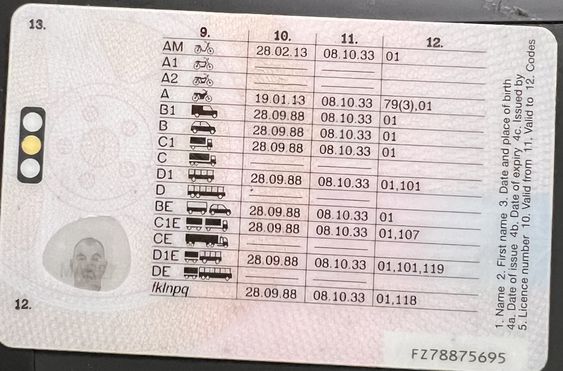
Today’s licences include categories such as:
History of the UK Driving Licence
-
Category B (cars)
-
Category A (motorcycles)
-
Category C (lorries)
-
Category D (buses)
These categories ensure drivers are properly trained for specific vehicles.
Social and Economic Impact of Driving Licences
The introduction and evolution of driving licences have had a profound impact on society.
Economic Impact
-
Increased employment opportunities
-
Growth of the automotive industry
-
Expansion of logistics and transportation sectors
Social Impact
-
Greater personal mobility
-
Improved access to rural areas
-
Increased independence for individuals
Driving licences have become a key part of modern life in the UK.
Driving Licence Fraud and Security Improvements
As licences became more valuable, fraud became a concern.
Common Fraud Issues
-
Fake licences
-
Identity theft
-
Forged documents
Security Enhancements
To combat fraud, modern licences include:
-
Holograms
-
Microtext
-
Secure printing techniques
These measures help maintain the integrity of the licensing system.
Modern Driving Licence Rules and Requirements
Today, obtaining a UK driving licence involves a structured process:
-
Apply for a provisional licence
-
Pass the theory test
-
Pass the practical driving test
-
Receive a full licence
This system ensures drivers are properly trained and qualified.
Are you looking for a full uk driving licence without test? look no further than buyukdocuments.com
The Future of the UK Driving Licence
The future of driving licences in the UK is likely to be shaped by technology and innovation.
Digital Driving Licences
Digital licences stored on smartphones may become standard, offering:
-
Convenience
-
Real-time updates
-
Enhanced security
Autonomous Vehicles
As self-driving technology develops, licensing systems may need to adapt to:
-
New vehicle types
-
Reduced driver responsibilities
AI and Smart Testing
Artificial intelligence may play a role in:
-
Driving assessments
-
Hazard detection training
-
Personalized learning
Timeline of the UK Driving Licence
-
1903 – Driving licences introduced
-
1935 – Driving test becomes mandatory
-
1960s–1980s – Major safety laws introduced
-
1998 – Photocard licences launched
-
2000s – Digital services introduced
-
Present – Online systems and modernization
Common Myths About UK Driving Licence History
Myth: Driving licences always required a test
Reality: Early licences did not require any testing.
Myth: Driving laws have always been strict
Reality: Regulations became stricter over time as road safety concerns increased.
FAQs: History of the UK Driving Licence
When were driving licences introduced in the UK?
When did the UK driving test start?
Why were driving licences created?
When were photocard licences introduced?
Conclusion On The History of the UK Driving Licence
The history of the UK driving licence is a story of continuous improvement driven by the need for safety, efficiency, and technological advancement.
From the early days of unregulated driving to today’s structured and digital system, each development has contributed to safer roads and more responsible driving.
As technology continues to evolve, the UK driving licence system will likely adapt further, ensuring it remains relevant in a rapidly changing world.
Understanding this history not only provides context for current driving laws but also highlights the importance of responsible driving in maintaining road safety for future generations.