


Blog
UK Professional Driving License Requirements 2026

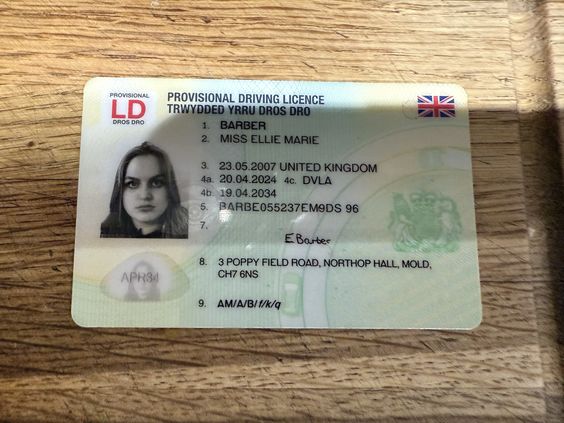
UK Professional Driving License Requirements 2026: Complete Guide for HGV, LGV, PCV, Taxi, and Commercial Drivers
Building a career as a commercial driver in 2026 requires more than a standard licence. UK regulations include specific training, medical, and certification requirements. This guide explains the complete UK professional driving license requirements 2026 for HGV, LGV, PCV, taxi, and other professional drivers.
What Is a Professional Driving Licence in the UK?
A professional driving licence allows an individual to operate vehicles for commercial or passenger transport purposes beyond the scope of a standard UK driving licence. Professional drivers are typically subject to additional regulations because they carry passengers, transport goods, or operate larger and potentially higher-risk vehicles.
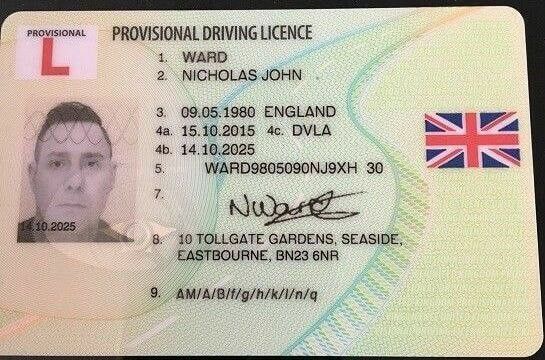
UK Professional Driving License Requirements
The term encompasses several licence categories, including:
- HGV (Heavy Goods Vehicle) licences
- LGV (Large Goods Vehicle) licences
- PCV (Passenger Carrying Vehicle) licences
- Taxi driver licences
- Private hire driver licences
- Certain commercial transport licences
The UK government regulates these licences through the Driver and Vehicle Licensing Agency (DVLA), Driver and Vehicle Standards Agency (DVSA), local authorities, and industry-specific regulators.
Professional drivers must demonstrate not only driving competence but also knowledge of safety regulations, vehicle inspections, road transport laws, and professional conduct standards.
UK Professional Driving License Requirements at a Glance
The exact requirements vary depending on the vehicle category, but most professional drivers in the UK must satisfy the following criteria:
| Requirement | Typical Requirement |
|---|---|
| Valid UK Licence | Required |
| Minimum Age | Usually 18–21+ |
| Medical Examination | Required |
| Theory Test | Required |
| Practical Test | Required |
| Driver CPC | Required for many commercial roles |
| Background Check | May be required |
| Right to Work | Required |
| Licence Renewal | Periodic |
In 2026, employers are placing increasing emphasis on compliance, making it essential for drivers to maintain all certifications and qualifications.
Types of Professional Driving Licences in the UK
HGV/LGV Licences
HGV and LGV licences are required for drivers operating heavy commercial vehicles.
Common categories include:
| Category | Vehicle Type |
|---|---|
| C1 | 3.5–7.5 tonnes |
| C1+E | C1 vehicle with trailer |
| C | Rigid lorries over 3.5 tonnes |
| C+E | Articulated lorries and large trailers |
Category C+E remains one of the most sought-after qualifications due to strong demand within logistics and freight transport sectors.
PCV Licences
Passenger Carrying Vehicle licences apply to bus and coach drivers.
Common categories include:
| Category | Vehicle Type |
|---|---|
| D1 | Minibuses |
| D1+E | Minibus with trailer |
| D | Bus or coach |
| D+E | Bus with trailer |
PCV drivers generally require Driver CPC certification and must meet stricter passenger safety obligations.
Taxi and Private Hire Licences
Taxi licensing is managed by local authorities rather than the DVLA alone.
Requirements often include:
- Enhanced DBS checks
- Medical assessments
- Local area knowledge tests
- English language assessments
- Private hire operator approvals
Rules can vary significantly between councils.
Commercial Delivery Driver Requirements
Many van drivers can operate under a standard Category B licence. However, larger commercial vehicles often require additional categories and qualifications.
Employers may also require:
- Safe loading training
- Fleet compliance training
- Driver monitoring participation
Minimum Age Requirements in 2026
Age requirements depend on the type of professional vehicle being operated.
| Licence Category | Minimum Age |
|---|---|
| Category B Commercial Driving | 17 |
| Category C1 | 18 |
| Category C | 18 |
| Category C+E | 18 |
| Category D1 | 21 (with exceptions) |
| Category D | 21 (with exceptions) |
Driver CPC qualifications can affect age-related eligibility in some circumstances.
Young drivers entering logistics and transport sectors should verify current DVSA rules before applying.
Residency and Legal Eligibility Rules
To obtain a professional driving licence in the UK, applicants must generally:
- Be normally resident in Great Britain
- Hold legal permission to live and work in the UK
- Meet DVLA identity verification requirements
- Provide proof of address when requested
Many employers also conduct independent right-to-work checks before hiring drivers.
International applicants may need to exchange overseas licences or complete UK testing requirements depending on reciprocal agreements between countries.
Medical Requirements for Professional Drivers
Medical fitness is one of the most important components of the UK professional driving license requirements framework.
Professional drivers usually need a D4 medical examination conducted by:
- A GP
- Occupational health provider
- Approved medical examiner
The examination assesses:
- Vision
- Blood pressure
- Neurological conditions
- Diabetes management
- Cardiovascular health
- Mental health conditions
Conditions that may affect commercial driving eligibility include:
- Uncontrolled epilepsy
- Severe sleep apnoea
- Significant visual impairment
- Certain heart conditions
Drivers are legally required to notify the DVLA of relevant medical conditions.
Failure to disclose medical issues can lead to licence revocation and legal penalties.
Understanding Driver CPC Requirements
What Is Driver CPC?
Driver Certificate of Professional Competence (Driver CPC) is mandatory for many professional drivers operating:
- HGVs
- LGVs
- Buses
- Coaches
The qualification ensures drivers maintain professional standards and road safety awareness.
Initial Driver CPC
New drivers typically complete:
- Theory Test
- Hazard Perception Test
- Case Studies Test
- Practical Demonstration Test
Successful completion leads to Driver CPC qualification.
Periodic CPC Training
Professional drivers must generally complete:
- 35 hours of approved training
- Every 5 years
Missing CPC deadlines can prevent drivers from legally working in qualifying transport roles.
How to Get an HGV Licence in the UK
The process for obtaining an HGV licence involves several stages.
Step 1: Hold a Full Car Licence
Applicants must possess a valid Category B licence.
Step 2: Complete Medical Examination
A D4 medical form must be completed and submitted.
Step 3: Apply for Provisional Entitlement
DVLA must approve the provisional HGV entitlement.
Step 4: Pass Theory Tests
This includes:
- Multiple-choice questions
- Hazard perception testing
Step 5: Complete Practical Training
Professional instruction helps prepare candidates for real-world vehicle operation.
Step 6: Pass Practical Test
Candidates demonstrate:
- Vehicle control
- Road awareness
- Safety procedures
- Reversing exercises
Step 7: Obtain Driver CPC
Where required, CPC certification must also be completed.
How to Get a Bus or Coach (PCV) Licence
PCV licensing follows a similar pathway but focuses on passenger transport.
Drivers must demonstrate:
- Passenger safety awareness
- Vehicle inspection competence
- Emergency procedure knowledge
- Defensive driving skills
Because passenger welfare is a primary concern, assessment standards can be particularly rigorous.
Employers often prefer applicants with excellent customer service skills in addition to technical driving competence.
Taxi and Private Hire Driver Licensing Requirements
Taxi and private hire licensing remains highly regulated throughout the UK.
Most licensing authorities require:
Medical Assessment
Applicants must meet Group 2 medical standards or equivalent local requirements.
Enhanced DBS Check
Background screening helps ensure public safety.
Right-to-Work Verification
Applicants must demonstrate legal employment eligibility.
Local Authority Testing
Some councils require:
- Local geography examinations
- Safeguarding training
- English language testing
- Customer service assessments
Prospective drivers should consult their local authority for specific 2026 licensing criteria.
Driver Qualification Card (DQC) Explained
The Driver Qualification Card serves as proof that a driver has completed Driver CPC requirements.
Drivers must carry the card while operating applicable commercial vehicles.
Failure to present a valid DQC during inspections may result in:
- Fines
- Enforcement action
- Employment complications
Keeping qualifications current is essential for maintaining legal driving status.
Theory Tests and Hazard Perception Tests
Professional driver theory testing goes beyond ordinary car licence examinations.
Topics commonly include:
- Vehicle weights and dimensions
- Driver hours regulations
- Road safety legislation
- Load security
- Passenger transport responsibilities
Hazard perception testing evaluates a driver’s ability to anticipate developing risks before they become dangerous situations.
These skills are particularly important for operators of large vehicles where stopping distances and manoeuvrability differ significantly from standard cars.
UK Professional Driving License Requirements
Practical Driving Tests for Professional Drivers
Professional practical tests assess multiple competencies.
Examiners typically evaluate:
- Vehicle control
- Observation skills
- Mirror usage
- Road positioning
- Reversing ability
- Independent driving
Large vehicle operation requires heightened awareness due to vehicle size, blind spots, and braking characteristics.
Candidates who invest in quality training generally experience significantly higher first-time pass rates.
Background Checks and Criminal Record Requirements
Many professional driving roles involve access to vulnerable passengers, valuable goods, or public-facing responsibilities.
Background checks may include:
- DBS screening
- Identity verification
- Employment history reviews
- Immigration compliance checks
Certain convictions may affect licensing eligibility depending on:
- Offence type
- Severity
- Time elapsed
- Local authority policies
Each case is typically assessed individually.
Licence Renewal Requirements
Professional licences must be renewed periodically.
Common renewal triggers include:
- Age-related reviews
- Medical reassessments
- CPC expiry dates
- Updated regulatory requirements
For many vocational licence holders, medical checks become more frequent after age 45 and again after age 65.
Maintaining awareness of renewal dates helps avoid interruptions to employment. If you have a provisional licence, you can buy a full UK driving licence from us at buyukdocuments.com without test for both theory and practical pass certificates.
Penalty Points and Professional Drivers
Professional drivers face increased scrutiny regarding driving conduct.
Accumulating penalty points can:
- Increase insurance costs
- Affect employability
- Trigger disciplinary action
- Result in licence suspension
Employers often conduct regular licence checks to monitor compliance.
Safe driving records can significantly improve career prospects and earnings potential.
Costs of Becoming a Professional Driver
Costs vary depending on licence category and training provider.
Typical expenses may include:
| Cost Area | Estimated Range |
|---|---|
| Medical Exam | £50–£150 |
| Theory Tests | £20–£100+ |
| Practical Training | £1,000–£3,000+ |
| CPC Training | Varies |
| DBS Checks | Varies |
| Licence Application | DVLA fees apply |
Some employers and logistics companies offer funded training programmes to address driver shortages.
Common Mistakes Applicants Make
Many aspiring drivers delay their licensing process due to avoidable errors.
Common mistakes include:
- Incomplete application forms
- Missing medical disclosures
- Poor theory test preparation
- Allowing CPC qualifications to expire
- Choosing low-quality training providers
- Failing to monitor licence renewal dates
A structured approach can help candidates progress more efficiently and reduce overall costs.
Career Opportunities for Licensed Professional Drivers
The UK transport industry continues to offer strong employment opportunities across multiple sectors.

UK Professional Driving License Requirements
Potential career paths include:
- HGV driver
- Long-haul freight driver
- Bus driver
- Coach driver
- Airport shuttle operator
- Logistics specialist
- Tanker driver
- Specialist transport operator
- Taxi driver
- Private hire driver
Experienced drivers can progress into:
- Transport management
- Fleet supervision
- Driver training
- Compliance management
The growing demand for logistics services and passenger transport continues to create opportunities for qualified professionals.
FAQ: UK Professional Driving License Requirements
What licence do I need to become an HGV driver in the UK?
Is Driver CPC mandatory in 2026?
How long does it take to get a professional driving licence?
Do taxi drivers need Driver CPC?
Can I become a professional driver with penalty points?
Is a medical examination required?
Can foreign licence holders work as professional drivers in the UK?
How often must Driver CPC be renewed?
Conclusion On UK Professional Driving License Requirements
Understanding the UK professional driving license requirements in 2026 is essential for anyone planning a career in commercial transport, logistics, passenger services, or private hire driving. While requirements differ across HGV, LGV, PCV, taxi, and commercial driving sectors, most professional drivers must satisfy medical standards, licensing criteria, testing requirements, and ongoing training obligations.
Success in the industry depends not only on obtaining the correct licence category but also on maintaining compliance through Driver CPC training, medical renewals, safe driving practices, and regulatory awareness. By following the correct pathway and staying current with UK transport regulations, aspiring drivers can access a wide range of rewarding career opportunities in one of the country’s most important industries.
Next step: Review the specific licence category that matches your career goals, verify current DVLA and DVSA requirements, and begin your training pathway toward becoming a qualified professional driver.